ilé practice
SUPPORTING FUNDERS TO BUILD SOMETHING THAT HOLDS
· Strategic Advisory
· Fund Design and Launch
· Equity integration
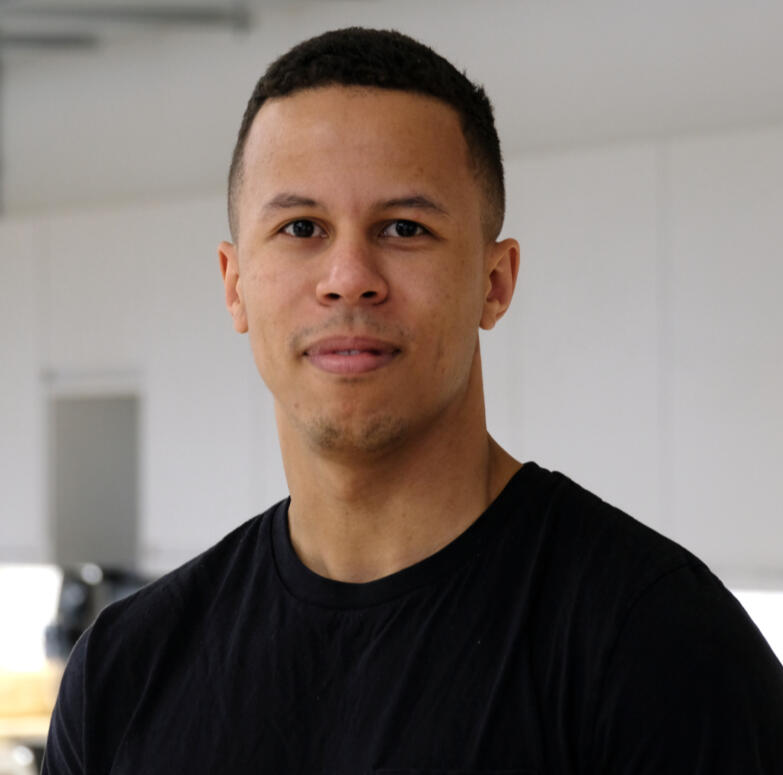

ilé Practice is a one-person consultancy, working with foundations, intermediaries and non-profits to create funding programmes where the path is unclear- emergent, equity-centred, and built to last.
ilé is the Yoruba word for home. A starting point. The place from which something new becomes possible. Practice is the doing of the work, finding the path where none yet exists.
Get in touch
If you are building something new and would like support, get in contact with me.[email protected]
Who is ilé Practice?
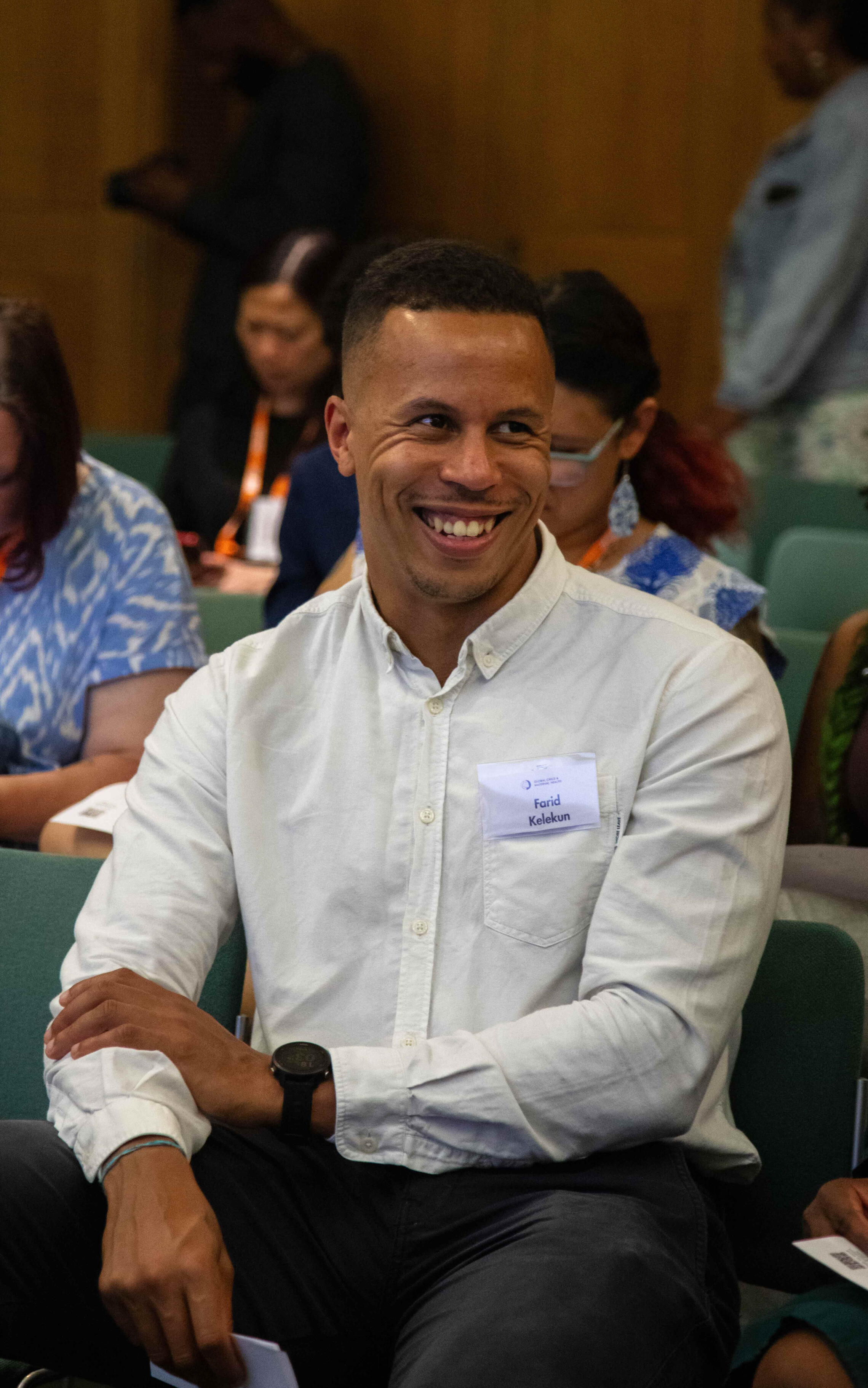
I'm Farid - I've spent 12 years designing and delivering funding initiatives, architecture and programmes across philanthropy and the commercial sector.Much of my life has been at the intersect of different worlds - cultures, institutions, geographies, sectors. I have learned to build my home there. This means I enter a room without the assumptions already existing in it. I can see what's being missed: the strategic intent that hasn't yet become architecture.
How ilé Practice came to be
I have worked in multi-disciplinary projects, within complex systems, with diverse system actors, and in dynamics that don't shift easily. I've always found myself building within ambiguity. Understanding what an initiative truly wants to put into the world, and then designing the funding structure that can actually deliver it.I work best with organisations at the start of something: before the structure exists, before the process is clear, before the first grant goes out. This is how ilé Practice emerged.
What ilé Practice offers
ilé collaborates with foundations, intermediaries and non-profits to design funding programmes where the path is unclear- emergent, equity-centred, and built to last.The work spans three areas: strategic advisory, helping organisations build clear strategic foundations before a fund is designed or a programme is built; fund design and launch, from strategic intent through to criteria, process, and first grants; and equity integration, embedding equity into programme architecture from the outset and strengthening it in existing funds.If that's where you are, let's talk.

Services
Strategic Advisory
Developing the foundations for complex, equity-centred work- before a fund is designed or a programme is built. Working with stakeholders, guided by evidence, and through a co-created process, I help organisations move from ambiguity to a clear strategic direction that can inform programme priorities and funding decisions.
Fund Design and Launch
End-to-end design of new funding programmes, from strategic intent and theory of change through to criteria, assessment process, and first grants. Where needed, this includes building the operational backbone: assessment frameworks, due diligence processes, decision-making structures, and monitoring tools.
Equity Integration
Embedding equity into programme architecture: co-designed criteria, participatory decision-making, evidence-led approaches, and power-cognisant approaches. Assessing how well an existing fund or programme is working on equity- diagnosing gaps, developing frameworks, and producing recommendations to strengthen practice.
Portfolio
Amplifying Voices — Impact on Urban Health
→ £10m, 10-year movement-building fund supporting underrepresented communities to advocate on air pollution. 2021–2025. Read more here_
Race Equity Strategy — Impact on Urban Health
→ Co-led development of IOUH's equity strategy for the air pollution portfolio- translating research and co-created principles into funding criteria, MEL processes and an adapted theory of change. An approach subsequently adopted by external funders. Read more here
Beyond Barriers — BUD Leaders
→ £1.5m investment-readiness programme for underserved founders, enabling BUD to issue its first-ever grants as an intermediary. 2025–present. Read more here
Discovery Partners — Collective Futures
→ End-to-end grantmaking process for a new foundation's first-ever grant round. 2024–25. Read more here
COVID Emergency Fund — Impact on Urban Health
→ Rapid evaluation, design and deployment of unrestricted emergency funding to 36 Black-led organisations in London. £1.3m, 2021. Read more here

Amplifying Voices
Impact on Urban Health — London, 2021–25
Environmental Justice · Field building · Community-centred grantmaking · Trust-based philanthropy.
£10m fund value | 10-year fund | 8 core partners | 4 causal pathways
The situation
Impact on Urban Health knew that air pollution in South London fell hardest on Black, brown, and low-income communities but had no relationships with those communities, no equity strategy, and no theory of change capable of holding a 10-year fund. The sector was dominated by environmental and technical framings. The justice dimension (who is most exposed, at most risk, and holds the least power) was largely absent from both research and funding.What I built
I co-led the programme end-to-end: commissioning community-embedded research before any strategic grantmaking began, co-creating a theory of change structured around four parallel pathways (capacity building, organisational strengthening, decision-maker influence, narrative shift), and managing a portfolio of eight partners including Ella Roberta Foundation, Live + Breathe, Rooted, and Centric Lab. When partners were funded in silos, I initiated the first cross-portfolio convening — the moment the programme shifted from a collection of grantees to something closer to a field.Outcomes
1. Partners developed the capacity to advocate in spaces they had previously been excluded from.
2. A narrative that connected racial justice and air quality in language that holds with both communities and decision-makers.
3.Influence extended to policy change and influence within local councils, the Mayor's office, DEFRA, academia, and other funders.
4. There was a unified and more powerful collective of advocates working towards equitable air pollution change in London.What made this different
Most environmental philanthropy funds research and advocacy. Amplifying Voices funded the conditions for advocacy to become possible- the relationships, trust, narrative infrastructure, and organisational resilience. That is a less legible theory of change, and defending its timeline was as important as designing the fund.Read more here
COVID Emergency Fund
Impact on Urban Health — London, 2021 ·
Evaluator → Designer → Programme Lead
Fund design · Unrestricted grantmaking · Rapid deployment · Trust-based philanthropy
£1.3m fund value | 25 organisations | 100% survived the pandemic | 6 months from evaluation to first grants
The situation
By early 2021, IOUH had deployed £2.5m to 36 Black-led organisations during the height of the pandemic. However, the crisis hadn't ended, and the first fund had taught lessons nobody had stopped to examine. I was commissioned to evaluate it alongside Doing Social, with the mandate to produce a clear picture of what worked and where it fell short.What I built
The evaluation was forward-looking, not just retrospective. Two questions ran in parallel: what did the first fund produce, and what does this moment now require? The findings surfaced a tension IOUH hadn't confronted- the gap between frontline organisational need and long-horizon systems-change strategy. I redesigned the fund around that tension: unrestricted grants, a diagnosis-led grants-plus model using Black-led consultants, and deliberate selection logic targeting financial precarity combined with limited IOUH embeddedness. By the time the evaluation was complete, I had been hired permanently to lead the new fund.Outcomes
1. Every organisation funded survived the pandemic.
2. Around 15 built lasting IOUH partnerships with many more securing funding elsewhere.
3. The diagnostic model produced significantly higher uptake of grants plus support support.
4. The evaluation also seeded future programmes including social investment support for Black-led consultants and mechanisms for community voice to be embedded into IOUH strategy.What made this different
The evaluation didn't just produce a report, but created a brief for future funding practice. The gap between frontline need and strategic investment wasn't a problem to resolve, it was a productive tension to design for and a strategic consideration for the foundation around its routes to change. Holding that tension honestly is what made the fund work and evolved the foundation into one that was more integrated with the communities it was supporting.Read more here and watch a video here
Race Equity Strategy
Impact on Urban Health — 2024–25 ·
Collaboration with think/feel/change
Race equity strategy · Evidence synthesis · Internal diagnosis · Sector influence
18-month engagement | 3 deliverables | 15-touchpoint self-assessment | Tools still in use
The situation
The HEAP programme worked at the intersection of air pollution, race, and poverty- but its strategy, criteria, and ways of working hadn't been designed to reflect that. The brief was light: operationalise race equity. There was no shared understanding of what that looked like, no evidence base, and no account of where the programme currently sat within that.What I built
Working in close collaboration with Patrin Watanatada at think/feel/change, I structured the work around three precise questions: what does race equity in UK air pollution look like evidentially; what can IOUH and the sector do to address it; and how does HEAP currently measure up in its ways of working? Patrin built the evidence base first- including the Triple Burden framework (exposure, risk of harm, power to respond), grounded in Marmot's social determinants work. Patrin also created tools to support projects and strategies to build in equity. My specific contribution was defining the problem and authoring the internal diagnostic: a 15-touchpoint self-assessment with gold/silver/bronze standards the team could hold themselves to.Outcomes
1. The tools were applied in a HEAP programme audit and built into budgetary review processes.
2. Other funders used the research to embed race and poverty as explicit factors in their own air pollution funding.
3. A more confident narrative, underpinned by evidence, is now being used within the sector to articulate the air pollution challenge.What made this different
Most race equity work starts with principles and retrofits evidence. This started with evidence and built principles from it. The Triple Burden framework is defensible precisely because it is domain-specific and grounded.
Beyond Barriers
BUD Leaders — London, 2025–present
Grantmaking infrastructure · Participatory grantmaking · Investment readiness · Knowledge transfer
£1.5m programme value | 10 enterprises supported | BUD's first ever grants | Full grantmaking infrastructure built
The situation
BUD Leaders wanted to become a grant and social investment provider for the first time but had no funding vehicle, due diligence process, grant documentation, or monitoring framework. What BUD had was deep community trust, genuine relationships with Black and Global Majority-led enterprises, cultural competency that was precisely what traditional funders lack. Sumerian Foundation had the funding expertise and infrastructure. The question was whether those two things could be brought together without BUD losing the community identity that made the model worth building.What I built
I designed and ran the programme from scratch across two parallel tracks: cohort support for 10 enterprises toward investment readiness and through a grant round; and knowledge transfer from Sumerian into BUD. I built a support package for social enterprises including a diagnostic tool, learning curriculum, participatory grant model. I worked with Sumerian and BUD on grantmaking infrastructure, including values and principles, due diligence frameworks, grant agreements, and monitoring structures.Outcomes
1. BUD's first ever grants deployed in Year 1.
2. A new legal entity positioning BUD as a funder.
3. Support for 10 organisations to increase organisational resilience and social investment readiness.What made this different
Most investment readiness programmes work on the demand side- making organisations more investible within a market structurally biased against them. Beyond Barriers worked on both sides. The cohort track built resilient enterprises. The knowledge transfer track built a funding institution structurally different from the conventional social investment market.
Get in touch
If you are building something new and would like support, get in contact with me.[email protected]